1700 to the present day

The castle in 1735 showing the south east tower
A family home
The castle stood neglected until 1739 when John Hooker bought it. A Tonbridge business man, and previous sheriff, Hooker looked to the castle as a source of income. Before the 1740s, the river Medway was not navigable. Hooker saw a business opportunity. He could use the stones from the now derelict castle to sure up the river's banks. His son, Thomas, used much of the remaining walls to build the manor house which still stands on the site. By 1794, Thomas sold the house to his brother-in-law, William Francis Woodgate. The Woodgate family settled in and grew with several of their children being born in the castle.
By 1812, the castle was up for sale again. This time it was purchased by William Bailey. Bailey lived a quiet life and died 1831. Ownership returned to the Stafford family, whose ancestors had owned until the 16th century. Although their official residence, the Staffords let the castle. During this time, many famous and infamous people resided in the grounds.
In the 1850s, architect, playwright and novelist Samuel Beazley moved in. Beazley was as an extraordinary man who led an eventful life. He not only designed London theatres but also wrote the plays which appeared in them. He died at home in the castle in 1851.
Headline news
Some years later, William Wolley rented the castle. Wolley was to become notorious in London society. He moved into the castle in 1854 with his wife Jane and sister-in-law, Miss Coape. In 1855, whilst he was away from home, tragedy struck. His wife had gone out for a walk but failed to return. A search party discovered her body in the river that ran through the estate.
Wolley moved to Campden House in Kensington and it was here that he was to become famous. In the 1860s, the house burnt to the ground in curious circumstances. Charged with fraud, the public poured over the details of the trail. Wolley's early life was a mystery and servants accused him of attempted murder. The trail acquitted Wolley, but his reputation had suffered.
Military school
By the 1860s, the castle opened its doors as a military academy and later as a prep school. During this time, a traveller to the castle would have seen the notice:
Tonbridge Castle is not open to the public!
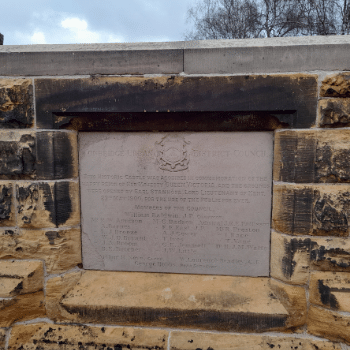
From time to time, the school did allow visitors. Interested parties could buy a ticket from the High Street in Tonbridge.
This was what made the opening of the castle to the public all the more special. This iconic building was now a public resource, and the people of Tonbridge made the most of it. Each May, they celebrated with a festival. Local school children marched to the castle through the high street. In the afternoon they played games on the bailey lawn and tucked into a free tea. In the evening, a musical event entertained the adults. This continued until the outbreak of World War I. For a traumatised country, a celebration seemed inappropriate.
Second World War
During the second world war, the castle proved its usefulness to the local community. Air Raid Precautions (ARP) wardens stationed here kept a watchful eye on the skies. If air raids were to come to Tonbridge, the wardens proudly claimed, the town would not be caught napping. The castle was once again fortified, this time with anti-tank defences and pill boxes.
